
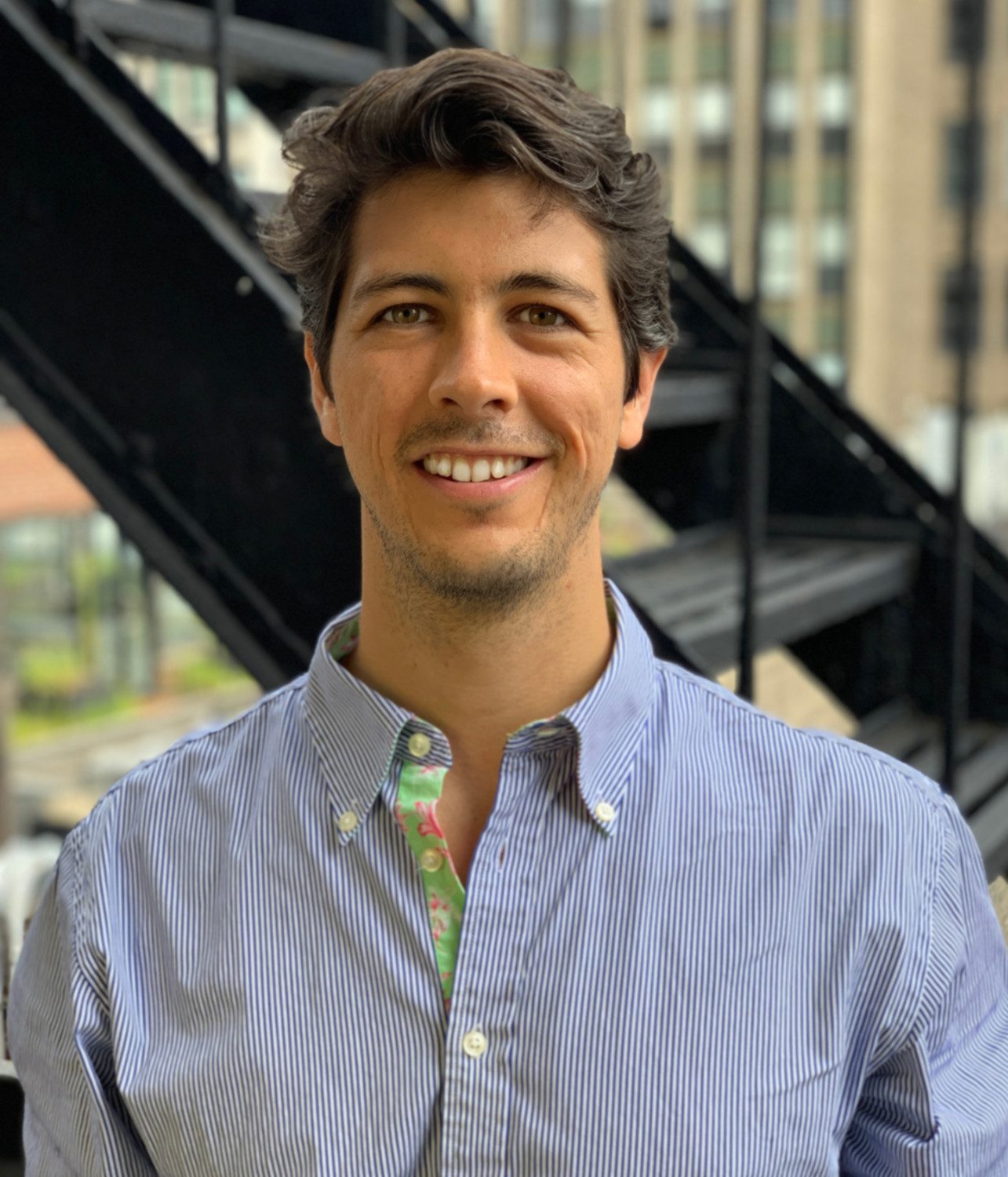
Hugo Verdi Fortin, DPT
Staff Physical Therapist
Meet Hugo Verdi Fortin
Hugo graduated from Columbia University Physical Therapy Program in 2018, a career inspired by his own journey as an NCAA Division I college tennis player. After navigating a series of stubborn injuries, he developed a deep empathy for the frustration of being sidelined. This firsthand experience defines his practice: a commitment to getting every patient back to the activities they love.
An active athlete, Hugo still competes in 5.0 Men’s League tennis and enjoys the fast-paced energy of recreational basketball. His personal dedication to strength training and his love for the NBA give him a unique understanding of the physical demands placed on court athletes and fitness enthusiasts alike.
In the clinic, Hugo takes a comprehensive, whole-body approach to movement and rehabilitation. He understands that peak performance requires addressing the body as an interconnected system rather than isolated parts. Hugo consistently stays at the forefront of clinical evidence, having completed advanced coursework in strength training, manual therapy, and comprehensive orthopedics—with a specialized focus on the foot, ankle, hip, and knee. Following a “measure, don’t guess” philosophy, he uses objective strength testing to identify imbalances and track progress. This ensures that whether you are a tennis player returning to the court or a professional aiming for pain-free daily movement, your path to recovery is visible and precise.
Hugo also serves as a Clinical Instructor for the Columbia University Physical Therapy Program. In this role, he mentors Doctor of Physical Therapy (DPT) students during their clinical rotations, bridging the gap between academic theory and high-level patient care. He is passionate about fostering advanced clinical reasoning and professional excellence in the next generation of therapists.
Fluent in French, Hugo takes great pride in serving the francophone community. He finds that communicating in a patient’s native language builds a deeper level of trust and ensures that no detail is lost during the rehabilitation process. He enjoys the cultural connection this brings to his practice, helping French-speaking patients navigate their recovery with confidence.
Areas of Focus:
- Strength training for Sports injury prevention
- Post-surgical & Sports Medicine
- Running Injuries
- Tennis Injuries
- Lower Extremity (hip, knee, foot/ankle)
- Upper Extremity (shoulder, scapula, elbow, wrist/hand)
- Spine (neck, lumbar)